Answering a spam call doesn't put you on a list — pressing 1 does
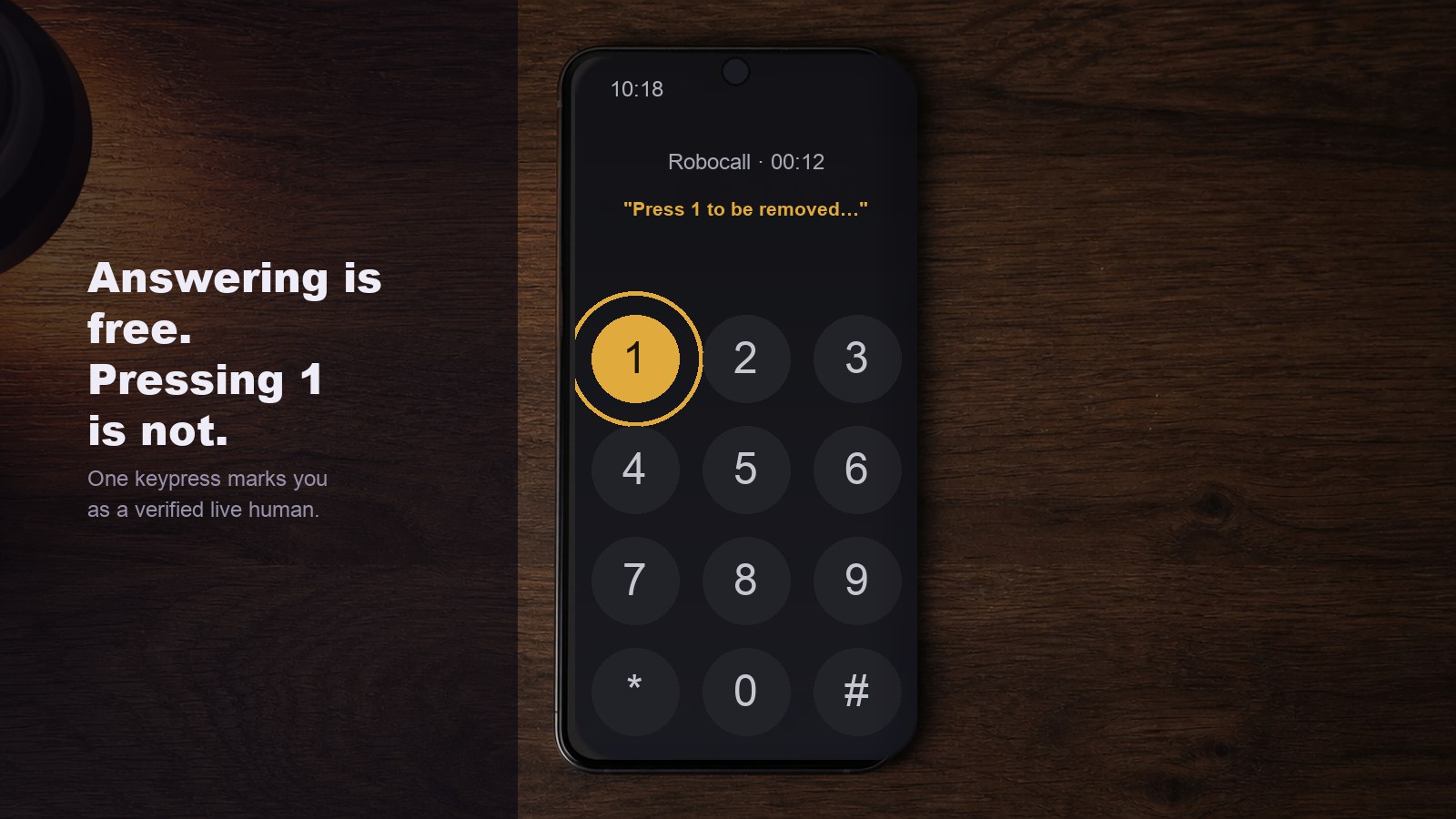
Everyone has heard the warning: answer a spam call even once and you'll be flagged as an easy target, and the calls will never stop. It sounds plausible — and it keeps people afraid of their own phone. But this has actually been tested at scale, and the data tells a different story.
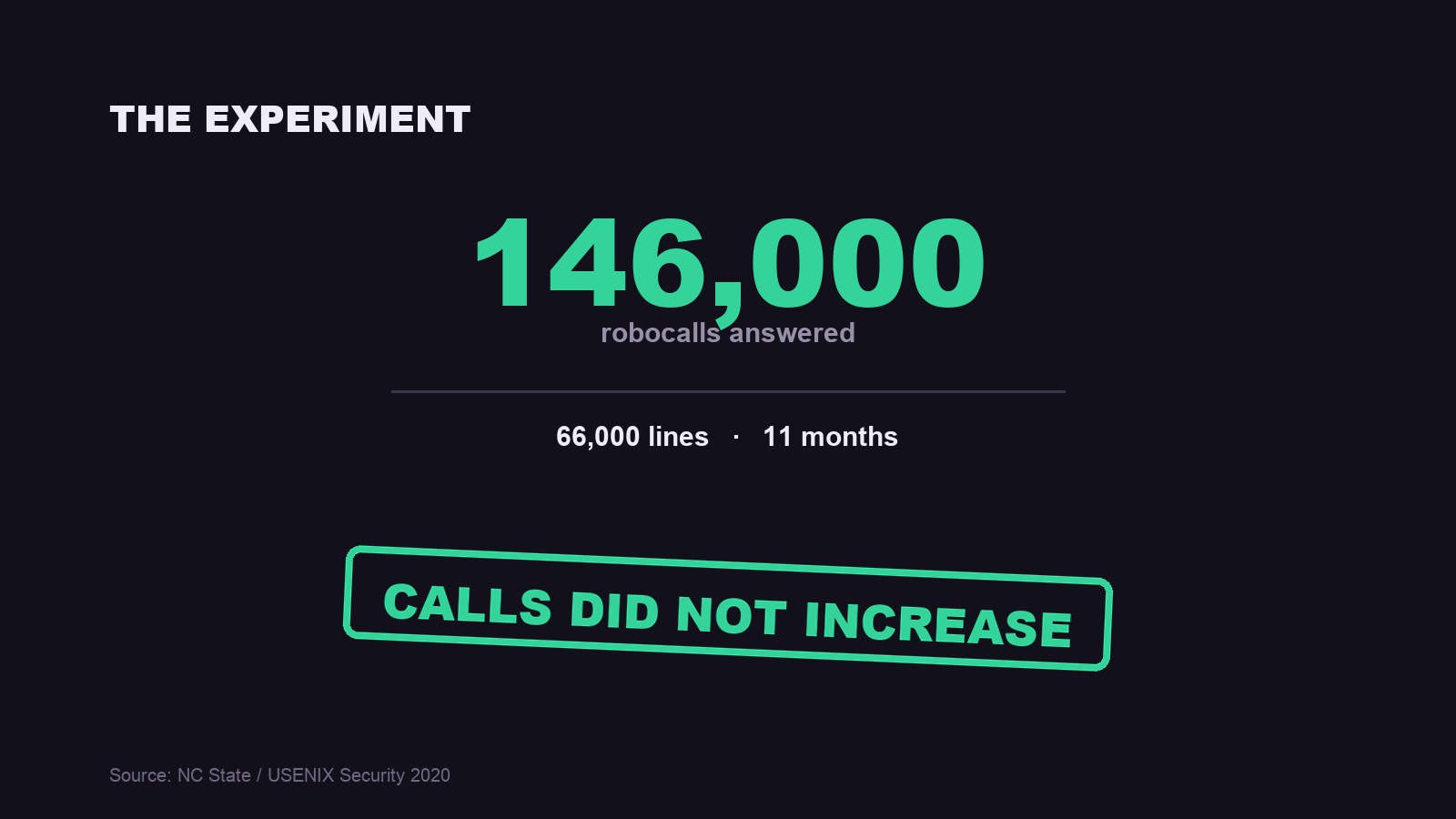
Researchers at North Carolina State University ran one of the largest robocall studies ever published. Over 11 months they monitored 66,000 phone lines and answered about 146,000 unsolicited calls, comparing lines that answered against lines that stayed silent. Answering did not measurably increase the calls received.
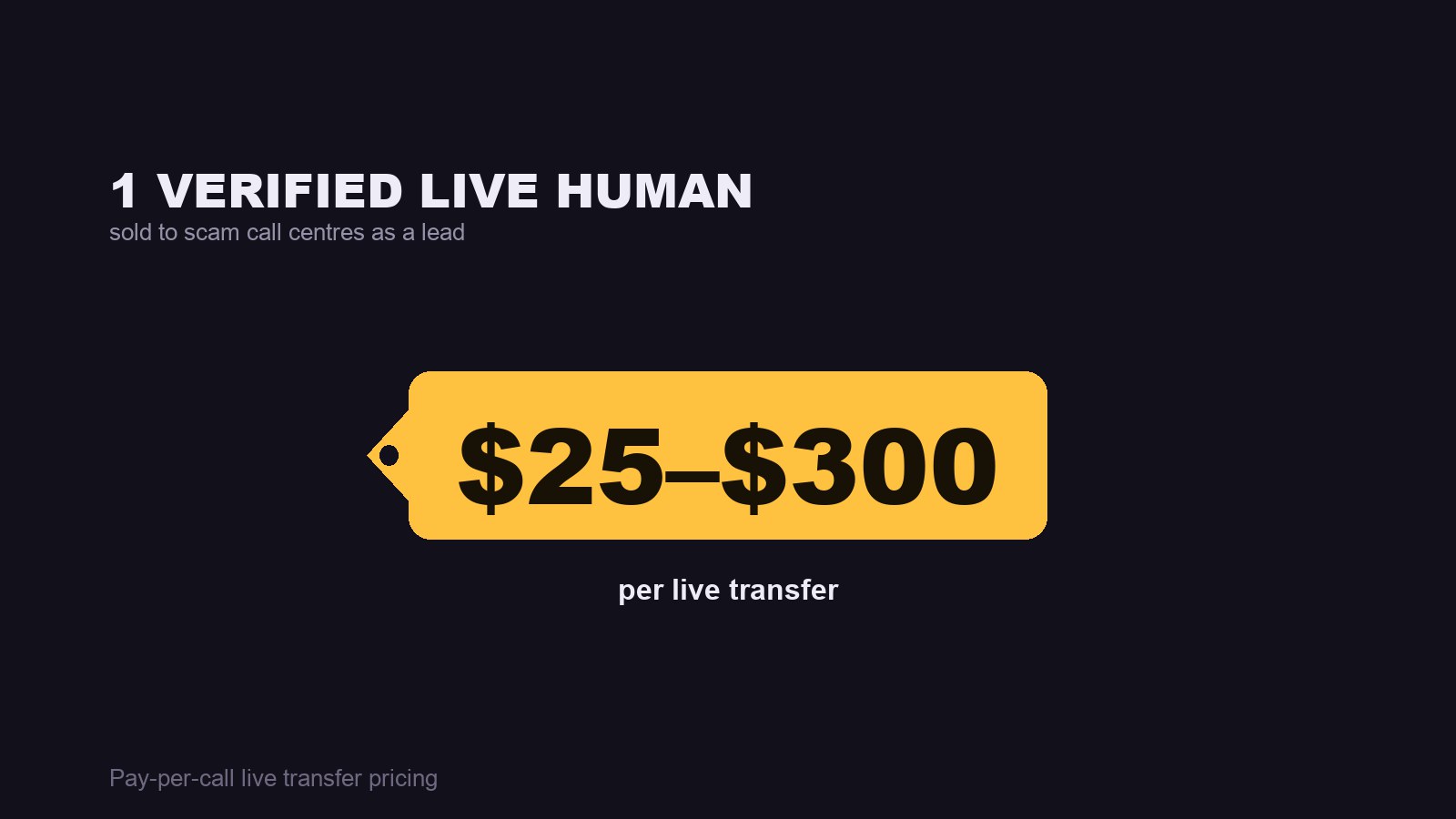
What does change your status is interaction. Press a keypad button or start talking, and automated systems mark your number as a verified live human. That label is what gets sold: in the pay-per-call industry, a live transfer — a real person on the line — trades for roughly $25 to $300 depending on the campaign.
The market even inverts common sense. The operator behind one of the largest robocall campaigns in US history told investigators he deliberately targeted numbers on the Do Not Call Registry, reasoning that people who bother to register are exactly the people who answer. Your silence, not a list, is what costs them money.
So the practical rule is simple: if you answer an unknown call, say nothing, press nothing and hang up. Better still, let unknown numbers go to voicemail — or use a call blocker that stops known spam before your phone rings, so the question never comes up at all.
Protect yourself today
Download Block-Spam and stop spam calls with AI-powered protection — free for iOS and Android.