That “local” call isn’t local: how neighbor spoofing works
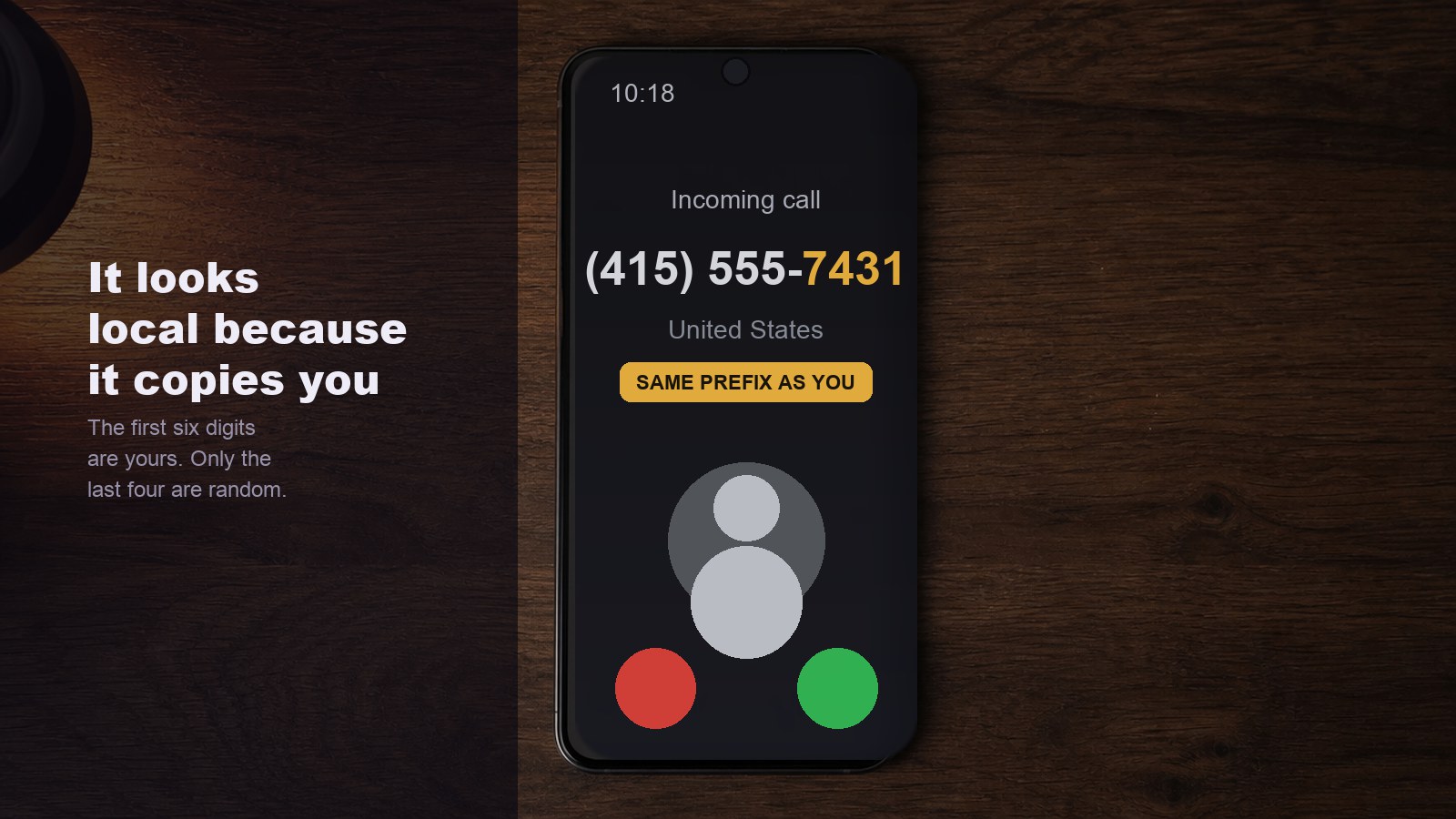
You get a call. The number starts with your area code and your exact prefix — the same first six digits as your own phone. It looks local. It’s almost certainly a robocall, and the number was chosen specifically to make you think otherwise.
Here’s the part almost nobody knows: the number you see on screen isn’t looked up anywhere. It’s supplied by whoever places the call. Filling that field with a number that isn’t yours takes no hacking — the capability is built into ordinary calling software, because legitimate businesses need it too.
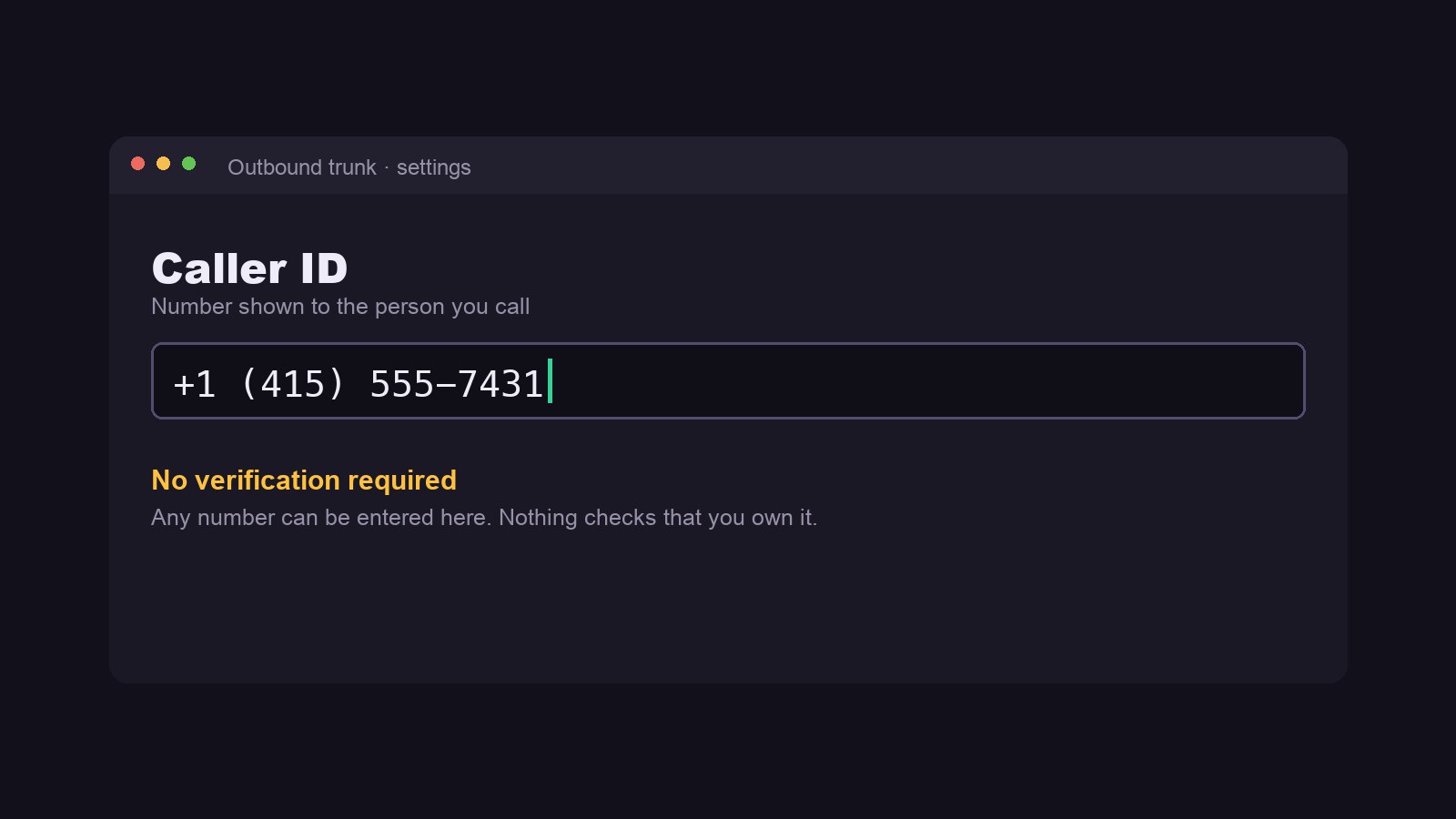
Once spoofing was effectively free, the question became which fake number gets the most people to answer. The answer turned out to be yours. The technique copies your first six digits and randomises the last four, so the call reads as a neighbour, a local business, your kid’s school. The industry calls it neighbor spoofing.
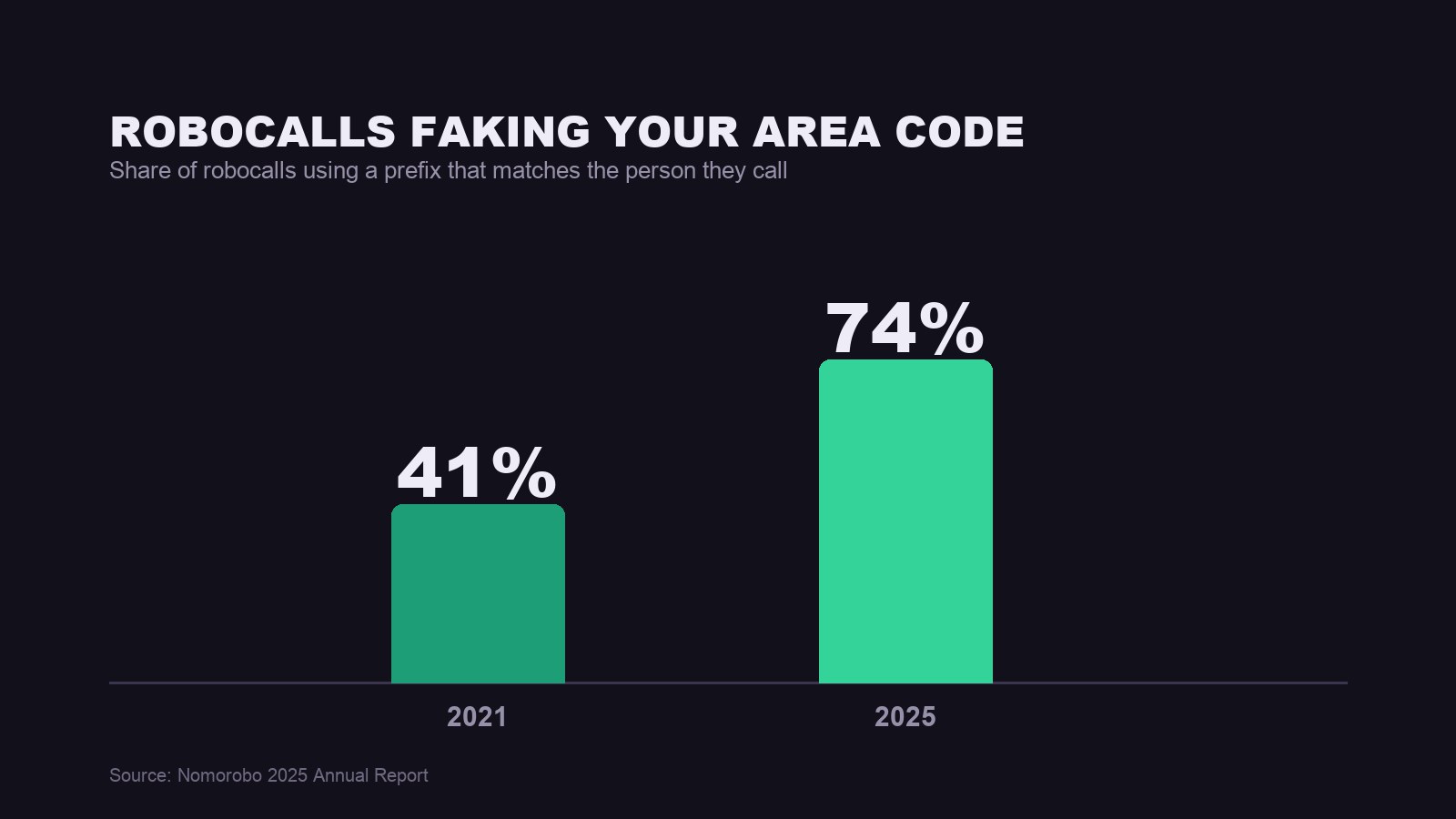
And it stopped being a clever trick. Nomorobo runs roughly 300,000 decoy lines that exist purely to receive robocalls; across the 75.9 million calls they took in 2025, the share where the caller’s area code matched the recipient’s rose from 41% in 2021 to 74% in 2025. Three out of four robocalls now wear your area code.
So treat a local number as neutral information, not a credential. Let unknown calls go to voicemail — real callers leave a message. Never use a callback number given to you during a call. And don’t rely on blocking numbers one at a time: randomising those last four digits is precisely what makes the next call come from a different one. That gap is where a blocker with a shared, community-reported database does what a personal block list cannot.
Protect yourself today
Download Block-Spam and stop spam calls with AI-powered protection — free for iOS and Android.